SHELTERS:
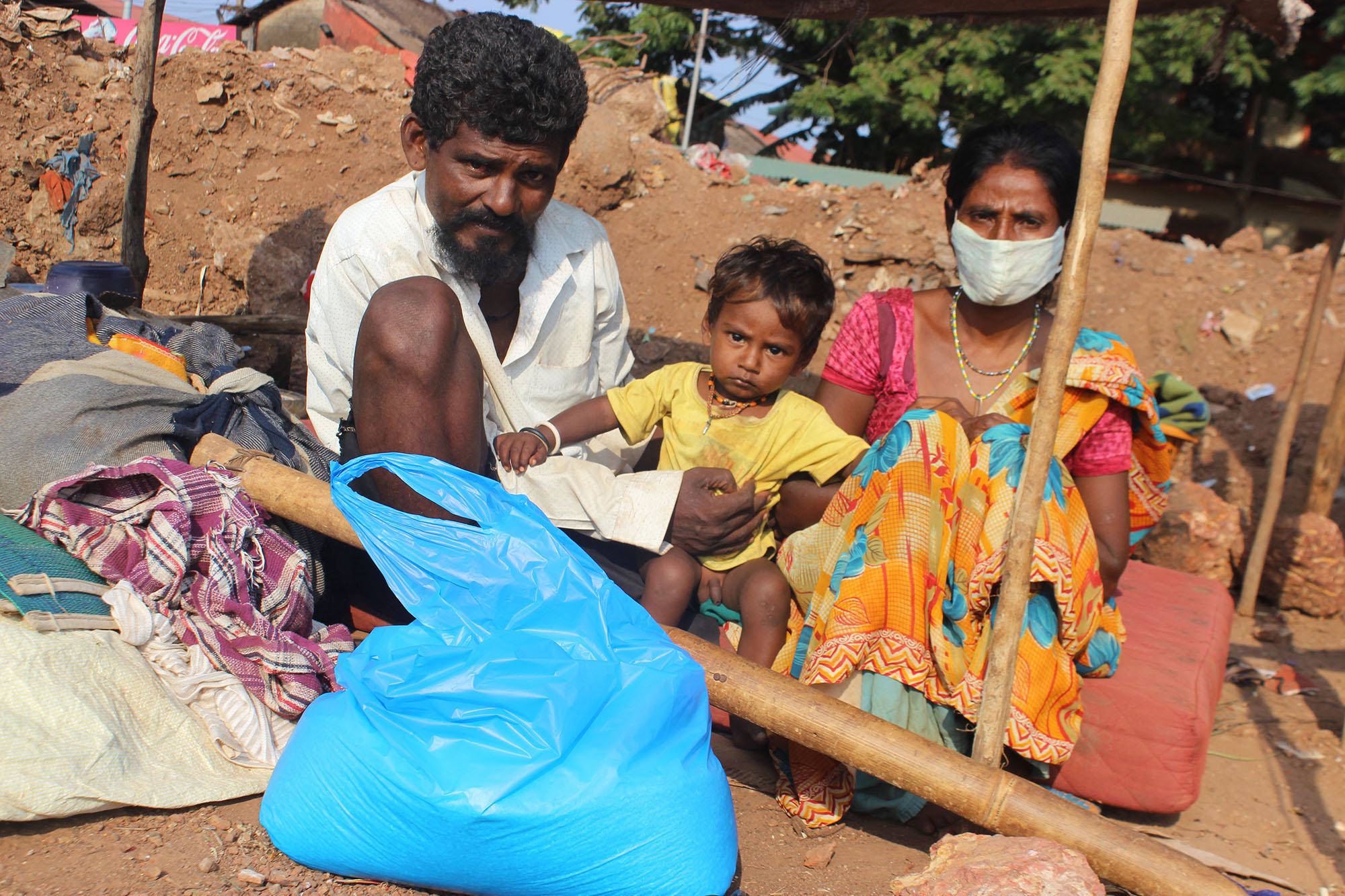
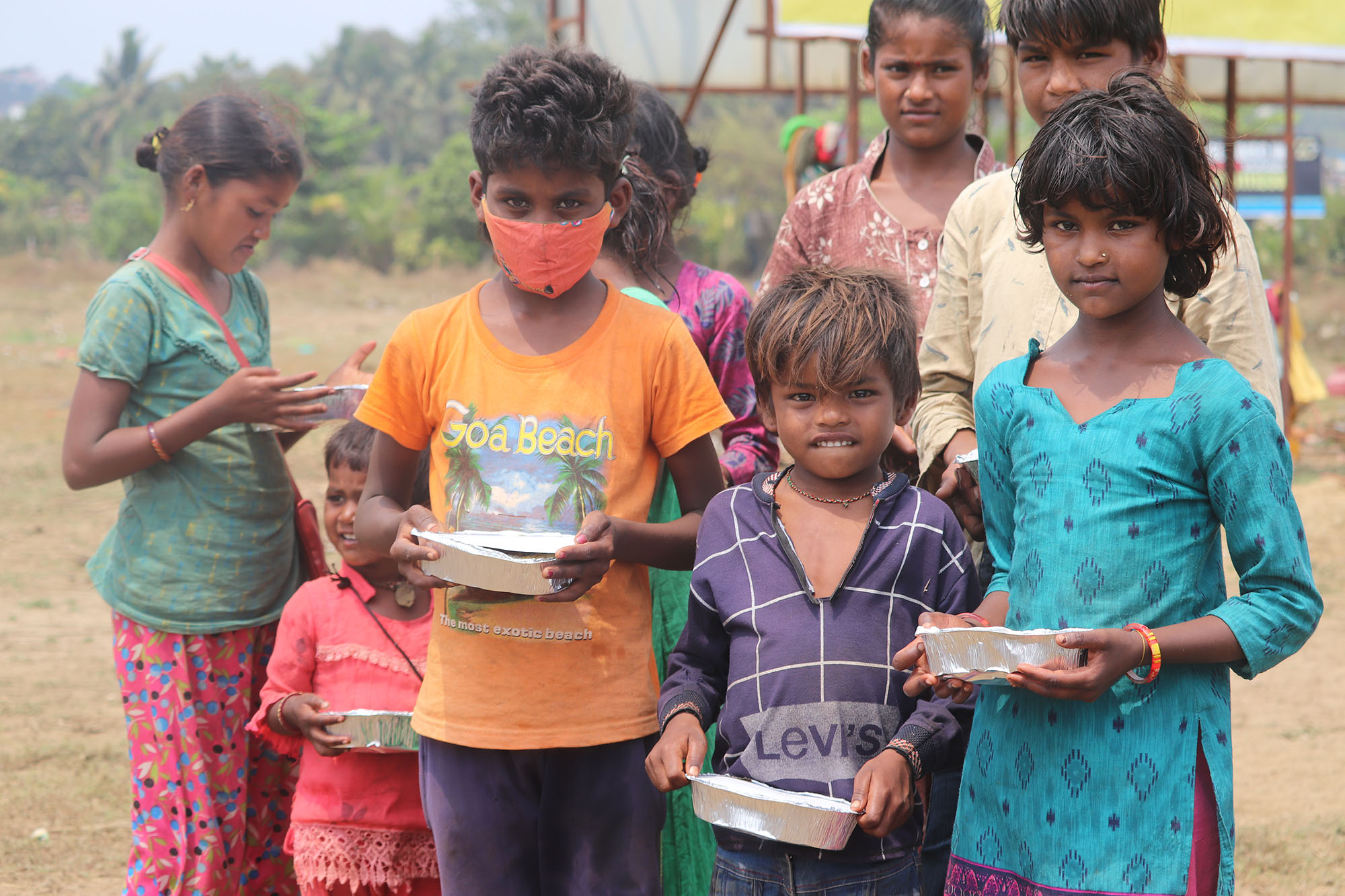
The Shelter is a place where any child can walk in, at any time of the day or night. Here, children will always find food, shelter and protection and facilities for personal hygiene.
We help them get back to their homes where possible. If they are abandoned or orphans, we plan a rehabilitation programme. We place those under 12 years of age in one of our Homes or in other children's Homes in the state. If they are over 12, we give them basic education through the Shelter and then provide vocational training.
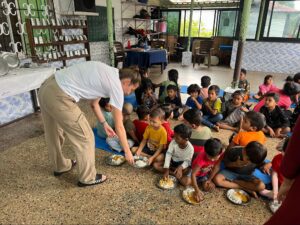
The Day Care shelters encourage children from the area to come in and interact with the staff and other children. The aim here is to create an interest in studies. We then place them in a local school, supporting them in their educational and health needs. After school, we provide lunch, tuition and games until the evening when their parents return from work.
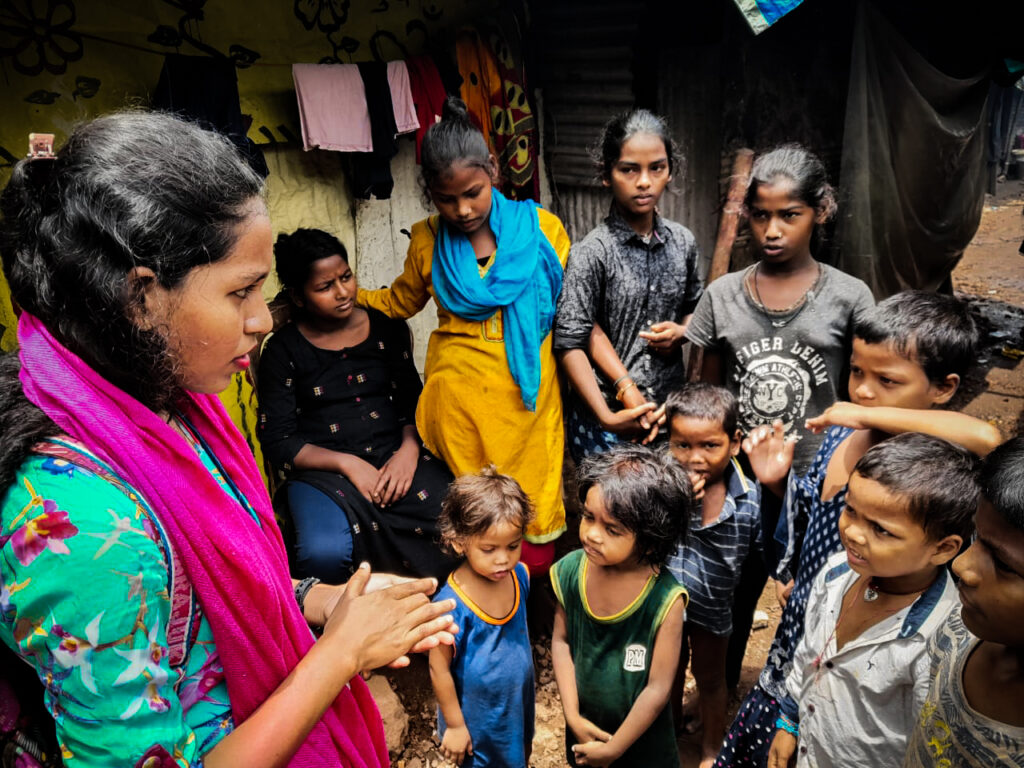
In some slums, we set up informal schools that cater to some basic education needs and adult literacy programmes for women.
We currently run three Shelters in Goa. Every such Shelter has about 80 to 100 children going to school.
HOMES:
The Children's Homes are meant for children from very poor backgrounds or orphans and abandoned children.
The children stay in the Homes until the 10th standard. During this time, we provide the child with everything – from food, clothing and shelter to education in our own school Shanti Niketan.
The children then have a year off studies. During this time we encourage them to work in an area of their choice outside, or with El Shaddai, as apprentices. Through this, we seek to “de-institutionalise” them to prepare them for their future life. During the one year apprenticeship programme, they receive a stipend helping them to learn to handle finances and build their own identity.
The children then decide what they would like to do in life. Some decide to carry on with formal education, others join vocational training. At this stage, they live in our Cottages. Here, a group of about 7 to 9 children live together and manage the household. We provide them with a monthly budget, but they have to manage it themselves. Through this, we try to encourage their individuality and independence so when they then go out into the world, they will be in a better position to cope rather than if they go straight from the Homes.